Dental Bonding or Porcelain Veneers for Chips, Gaps and Stains? How Key West Patients Can Choose
Dental bonding is often considered for smaller, localized changes such as a minor chip or narrow gap, since composite resin can be added directly to the tooth with little or no preparation. Porcelain veneers are generally considered when a patient wants a broader or longer-term change to the color, shape, or proportions of one or several visible teeth. Neither treatment is automatically better. The right option depends on the extent of the defect, enamel, bite, number of teeth involved, desired appearance, maintenance expectations, and budget, and a cosmetic dentist in Key West, FL can help sort out which one fits.
What Is the Main Difference Between Dental Bonding and Porcelain Veneers?
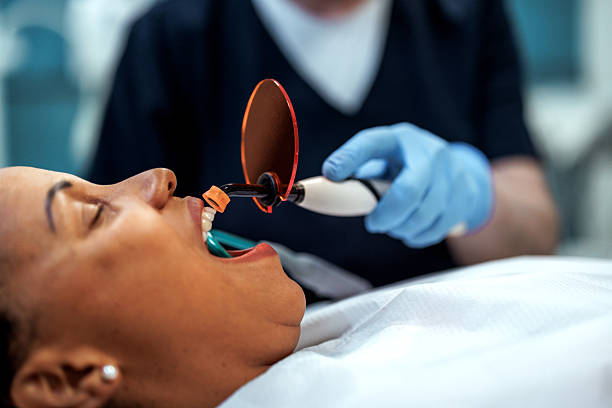
Dental bonding uses a tooth-colored composite resin that a dentist applies directly to the tooth, shapes by hand, and hardens with a curing light. A porcelain veneer is a custom-made facing, fabricated separately and bonded over the front surface of the tooth.
| Attribute | Dental Bonding | Porcelain Veneers |
|---|---|---|
| Material | Composite resin | Dental porcelain or ceramic |
| Tooth Preparation | Usually minimal | Often requires enamel preparation |
| Typical Scope | Small, localized change | Broader cosmetic change |
| Visits | Often one | Usually multi-step |
| Stain Resistance | Lower | Higher |
| Repairability | Often easier to modify or repair | May require evaluation or replacement |
| Upfront Cost Pattern | Usually lower | Usually higher |
| Treatment Commitment | More conservative | Greater long-term commitment |
Is Dental Bonding or a Porcelain Veneer Better for a Chipped Tooth?
The right choice for a chipped tooth depends on how much of the tooth is actually affected.
When Does Bonding Make Sense for a Small Chip?
Bonding tends to work well for a small, localized chip on an otherwise healthy tooth. Since the resin is added directly to the existing structure, it’s a conservative way to restore the edge or shape of a single tooth without removing much natural material.
When Might a Veneer Be Better for a Larger Cosmetic Change?
A veneer becomes more relevant when the chip is part of a broader concern, such as a tooth that also needs a shape and color change, or when several small imperfections on the same tooth make repeated bonding less practical. Veneers can address shape and color together in one restoration, which allows for a more complete redesign of the tooth’s appearance in a single treatment.
When Does a Chipped Tooth Need Restorative Treatment Instead?
Some chips go beyond what cosmetic bonding or a veneer can reasonably fix. When the damage compromises the tooth’s underlying strength, a dental crown or another restorative approach may be the first consideration, not bonding or veneers. A dentist needs to examine the tooth directly to make that call.
Is Bonding or Veneers Better for Closing Gaps Between Teeth?
Both treatments can change the apparent width of a tooth, which is what makes a gap look smaller.
When Can Composite Bonding Close a Small Gap?
Composite resin can be added to the surfaces of the teeth on either side of a gap, widening them slightly so the space between them appears reduced. This tends to work best for a small, isolated gap where the surrounding teeth are otherwise in a good position.
When Can Porcelain Veneers Improve Multiple Gaps or Tooth Proportions?
Veneers become more useful when spacing shows up alongside other concerns, such as uneven tooth size or shape across several teeth. Because a veneer can be designed to change width, length, and color together, it can address multiple visual attributes in one treatment rather than one gap at a time.
When Should Teeth Be Moved Instead of Made Wider?
Neither bonding nor veneers move teeth. When spacing is significant, involves multiple teeth, or is tied to a bite problem, orthodontic treatment or clear aligners may address the underlying position rather than just the visible gap.
Is Bonding or Porcelain Better for Stained or Discolored Teeth?
Discoloration falls into two categories: surface staining that sits on the outside of the tooth, and intrinsic discoloration that develops within the tooth structure. If the tooth’s shape is otherwise fine, professional whitening is often the first thing worth considering before either bonding or veneers.
How Does Composite Bonding Change Tooth Color?
A dentist selects a resin shade to match or lighten the surrounding teeth, then applies and shapes it over the discolored area. This works well for localized color correction on one or two teeth.
Why Are Porcelain Veneers More Resistant to Staining?
Porcelain is generally more stain-resistant than composite resin, which makes it a common choice for patients dealing with discoloration that affects several teeth or that hasn’t responded well to whitening. That said, no material is stain-proof, and veneers still benefit from routine care.
Can Bonding or Veneers Be Whitened Later?
Whitening products act on natural tooth structure, not on composite resin or porcelain in the same way. Because of this, professional teeth whitening is generally something to plan for before bonding or veneers are placed, since the natural teeth around a restoration can still change shade with whitening even though the restoration itself won’t. Getting the shade planning and treatment sequence right up front means the bonding or veneer can be matched to the whitened result rather than the other way around.
Which Treatment Preserves More Natural Enamel: Bonding or Veneers?
This is one of the more important factors in choosing between the two. Dental bonding is generally additive and conservative, since the resin is built up on the existing tooth surface with little to no removal of enamel. Traditional porcelain veneers, by comparison, often require some enamel preparation to create a stable surface for bonding.
This matters because enamel does not grow back. A more conservative treatment keeps more options open later, while a veneer that involves enamel removal is a bigger long-term commitment from the start.
Are Dental Bonding or Porcelain Veneers Reversible?
Bonding generally requires less tooth preparation and can often be modified or removed more easily than a traditional veneer, but “reversible” shouldn’t be treated as an absolute in every case, since even minor bonding can involve some surface roughening to help the resin adhere.
Porcelain veneers, when they involve enamel reduction, are best thought of as a long-term restorative decision rather than a temporary one. The ADA notes that veneer treatment is generally considered non-reversible, which is worth weighing before moving forward.
Which Looks More Natural: Composite Bonding or Porcelain Veneers?
Neither material automatically looks more natural. The result depends on case selection, the material used, the shade and translucency chosen, how well the contour is shaped, the polish, how the restoration relates to the surrounding teeth, and the skill of the dentist doing the work.
Porcelain often has favorable light-reflecting qualities and holds its stain resistance over time. Composite bonding, done well, can also blend naturally for smaller, localized corrections. The best outcome usually comes down to matching the material to the specific case rather than assuming one is always superior.
Which Lasts Longer: Dental Bonding or Porcelain Veneers?
Porcelain veneers generally hold up better over time against staining and surface wear than composite bonding does. That said, neither material comes with a fixed guarantee. How long either restoration lasts depends on bite forces, grinding or clenching habits, oral hygiene, trauma, how the case was designed, and ongoing maintenance.
Is Bonding Easier to Repair Than a Porcelain Veneer?
Generally, yes. Composite bonding can often be polished, added to, or repaired directly in the chair if it chips or wears. A damaged veneer typically needs a closer look from a dentist, and depending on the extent of the damage, may need rebonding or full replacement rather than a quick touch-up.
Which Is More Resistant to Coffee, Tea and Other Tooth Stains?
Porcelain generally holds its color better than composite resin when exposed to staining foods and drinks like coffee, tea, and red wine over time. This is a long-term color stability question rather than a reflection of how either material looks right after treatment. Patients don’t need to give up these foods and drinks with either option, though good oral hygiene helps either material stay looking its best.
How Does Teeth Grinding Affect Bonding and Veneers?
Grinding and clenching, known as bruxism, put added occlusal force on any restoration placed over natural teeth. Both composite bonding and porcelain veneers can chip or fracture under this kind of excessive bite force. If bruxism is a factor, a dentist may recommend a nightguard alongside either treatment to help protect the restoration and the underlying tooth.
Does Dental Bonding or Porcelain Veneers Take Longer?
Bonding is commonly completed directly in the office, often in a single appointment. Veneers typically involve more than one stage, including planning, tooth preparation, and placement, with fabrication happening in between. Exact timelines vary by case and by how many teeth are involved.
Is Dental Bonding Cheaper Than Porcelain Veneers?
Bonding usually has a lower upfront cost, since it’s a direct procedure that involves less material and less laboratory work. Veneers typically involve a higher initial investment because of the fabrication process and the number of visits involved.
That said, upfront cost isn’t the same as long-term value. The right comparison depends on the number of teeth involved, the complexity of the case, the material chosen, any preparatory care needed, and how the treatment fits into a patient’s broader goals. Neither option is automatically more cost-effective for every situation.
When Is Dental Bonding Usually the Better Fit?
Bonding may be a better fit when:
- The concern is a small chip, narrow gap, or localized contour issue
- Only one or a limited number of teeth are involved
- The tooth structure is otherwise healthy
- Preserving as much natural enamel as possible matters
- A more conservative, lower-commitment treatment is preferred
- The patient is comfortable maintaining or touching up composite over time
When Are Porcelain Veneers Usually the Better Fit?
Veneers may be a better fit when:
- Several cosmetic concerns, including broader shape or proportion changes, affect the same tooth or teeth
- Discoloration is persistent and hasn’t responded well to whitening
- Multiple visible teeth need a coordinated change
- Greater stain resistance is a priority
- The patient wants a longer-term cosmetic plan
- There’s enough healthy tooth structure to support the treatment
Candidacy for veneers depends on several health factors beyond the cosmetic concern itself. Patients weighing this option in more depth may want to review who is a good candidate for porcelain veneers before deciding.
Can Dental Bonding and Porcelain Veneers Be Used in the Same Smile?
Yes. Treatment doesn’t have to be all one or the other. A tooth with a more significant aesthetic concern might receive a veneer, while a minor irregularity on an adjacent tooth is treated with bonding, when that combination makes sense clinically. Bonding and veneers can also be planned alongside whitening, gum contouring, or restorative treatment as part of one coordinated plan, rather than as separate, unrelated procedures.
When Are Neither Bonding Nor Veneers the Right Treatment?
Not every cosmetic concern calls for bonding or a veneer.
When Professional Whitening May Be Enough
If color is the only concern and the shape and position of the teeth are otherwise fine, whitening is a more conservative starting point than either bonding or veneers.
When a Dental Crown May Be Needed Instead
A tooth with significant structural damage, a large existing filling, or a deep crack may need a crown rather than a cosmetic surface treatment, since a crown supports the entire tooth rather than just its front surface.
When Orthodontic Treatment May Make More Sense
When the issue is really about tooth position or a bite problem rather than surface appearance, orthodontic treatment or clear aligners may address the cause more directly than reshaping the visible surface of the teeth.
When Gum Contouring May Be the Actual Cosmetic Issue
Sometimes what looks like a tooth proportion problem is actually a gumline issue. When the ratio of visible tooth to gum tissue is the main concern, a gum contouring evaluation may be more appropriate than bonding or veneers.
How Does a Cosmetic Dentist Decide Between Bonding and Veneers?
A dentist typically works through this in a logical sequence: the primary cosmetic complaint, whether one tooth or several are involved, how much tooth structure remains or is missing, enamel condition, any existing restorations or decay, gum health, bite, grinding habits, current tooth color, spacing, tooth position, how much change the patient wants, maintenance preferences, and budget.
Working through health and structural condition first, then cosmetic goals, then material choice, helps the dentist land on a recommendation that fits the tooth as much as the patient’s aesthetic goals.
Choosing Between Bonding and Veneers in Key West, FL
For patients comparing dental bonding and porcelain veneers in Key West, the decision should start with an evaluation of the tooth rather than a preference for one material over the other. Valent Dental’s office in New Town can evaluate cosmetic goals alongside enamel, gums, bite, and any existing dental work before recommending a more conservative or more comprehensive cosmetic approach.
Frequently Asked Questions About Bonding vs. Veneers
Is bonding or veneers better for a small chipped front tooth?
For a small, localized chip on an otherwise healthy tooth, bonding is often a reasonable, conservative choice. A veneer may be a better fit if the chip is part of a broader shape or color change, or if the tooth has more significant structural damage.
Can bonding close the same gaps as veneers?
Bonding can close a small, isolated gap by widening the surfaces of the adjacent teeth. Veneers can do the same thing while also addressing color or shape differences at once, which makes them useful when a gap isn’t the only concern.
Does dental bonding stain more easily than porcelain veneers?
Yes, generally. Composite resin is more prone to picking up stains from coffee, tea, and red wine over time than porcelain is. Both benefit from routine brushing and cleaning between teeth.
Can bonded teeth or veneers be professionally whitened?
Not in the way natural teeth can. Whitening products act on natural enamel, not on composite resin or porcelain. If whitening is part of the plan, it generally makes sense to complete it before bonding or veneers are placed.
Which treatment removes less natural tooth structure?
Dental bonding is generally the more conservative option, since it’s added directly to the tooth with little to no enamel removal. Traditional porcelain veneers often involve some enamel preparation.
Do veneers last longer than bonding?
Porcelain veneers generally hold up better against staining and wear over time than composite bonding. How long either one lasts depends on bite forces, grinding habits, oral hygiene, and how well the restoration is maintained.
Can you replace bonding with porcelain veneers later?
In many cases, yes, depending on the condition of the tooth and how the original bonding was placed. A dentist would need to evaluate the tooth to plan that transition properly.
Can I get bonding on some teeth and veneers on others?
Yes, when it’s clinically and aesthetically appropriate. Treatment plans are often built around what each tooth needs rather than applying one material across the whole smile.
Compare Dental Bonding and Porcelain Veneers With a Cosmetic Dentist in Key West
The most appropriate cosmetic treatment depends on what needs to change and how healthy the underlying tooth is. As part of its broader cosmetic dentistry in Key West, Valent Dental can evaluate chips, spacing, discoloration, tooth proportions, and existing dental work to determine whether bonding, porcelain veneers, or another approach is the right starting point.
If you’re weighing dental bonding against porcelain veneers in Key West, schedule a consultation with Valent Dental to get a treatment recommendation based on your specific teeth rather than a general guess.