Do You Need a Bone Graft Before Dental Implants in Key West? How Dentists Evaluate Jawbone Loss
No, not every dental implant patient needs a bone graft. A bone graft for dental implants is needed in two main situations. The first is when the implant site lacks enough suitable bone for the planned implant. The second is when bone should be preserved after a tooth extraction for a future implant.
Tooth loss, gum disease, infection, injury, and natural changes after an extraction can all reduce the height or width of the alveolar ridge. This is the ridge of the jawbone that holds the teeth. For patients in Key West, FL, the decision starts with an exam and imaging of the implant site. Your dentist then decides whether an implant can be placed directly or whether bone should be added first or at the same time.
Why Do Dental Implants Need Enough Jawbone?
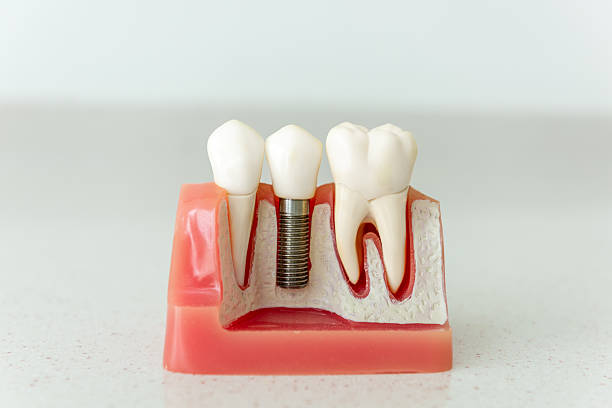
A dental implant is placed inside the jawbone, and that bone holds it steady. The planned site must surround the implant with enough bone while keeping a safe distance from nerves, the sinus, and neighboring roots.
Dentists look at four features of the implant site:
- Height: how much vertical bone is available
- Width: how thick the ridge is from the cheek side to the tongue side
- Contour: the shape of the ridge, including dips or uneven areas
- Quality: how dense the existing bone is
Each feature must be adequate where the implant needs to sit. If one falls short, the site may need grafting before or during implant placement.
Bone is only one factor in deciding whether you are a candidate for dental implants. Gum health, medical history, and your bite also matter.
What Does Jawbone Do Around a Dental Implant?
After placement, bone heals in close contact with the implant surface. This bonding process is called osseointegration. It allows the implant to support a crown, bridge, or denture during chewing. If too little bone surrounds the implant, there is less contact area for this bond to form.
Is Bone Quantity the Same as Bone Density?
No. Bone quantity is the amount of bone available, measured by its height, width, and volume. Bone density describes how compact that existing bone is.
Bone grafting mainly addresses quantity. It adds or preserves bone where the site is too small or uneven for the planned implant.
Why Does Jawbone Shrink After a Tooth Is Lost?
After a tooth is removed, the bone around the empty socket gradually remodels and resorbs. Remodeling is the body’s process of breaking down and reshaping bone. Resorption is the part of that process where bone is broken down and absorbed. During healing, the ridge often loses some width and height.
Several factors contribute to bone loss after tooth loss. The socket walls can be thin, especially near the front of the mouth, and thin walls tend to lose more bone. Normal healing after an extraction also reshapes the socket. The bone no longer receives the same chewing forces through a tooth root, which is one more part of the process.
The American Association of Oral and Maxillofacial Surgeons (AAOMS) offers guidance on preserving bone after an extraction. It notes that these changes can affect future implant treatment. That is why bone preservation is sometimes considered at the time of extraction.
The amount of change varies from person to person and site to site.
What Causes Bone Loss Before Dental Implant Treatment?
Bone loss at an implant site can have several causes. The cause often affects the size and location of the defect, which then guides the grafting plan.
Long-Term Missing Teeth
The longer a tooth has been missing, the more time the ridge has had to remodel. Patients who have been missing teeth for years may have a narrower or shorter ridge than they had right after the tooth was lost.
Bone Loss From Periodontal Disease
Periodontal disease is a gum infection that can destroy the bone supporting the teeth. When a tooth is lost to gum disease, the bone around it may already be reduced before the extraction.
Bone Loss Around a Damaged or Infected Tooth
A cracked tooth, failing root canal, or long-standing infection can damage the bone around that tooth. The extent varies. Some infected teeth cause little bone change, while others leave a larger defect.
Trauma or Previous Oral Surgery
An injury to the mouth or a difficult past extraction can change the shape of the ridge. Previous surgery in the area can also affect the available bone.
Naturally Thin or Limited Bone
Not everyone who needs a graft has lost bone to disease. Some areas of the jaw are naturally thin or narrow compared with the implant that would replace the tooth. The front of the upper jaw is a common example.
How Does a Dentist Know Whether You Need a Bone Graft?
Your dentist checks whether you have enough jawbone for an implant in three steps. They examine the site, review imaging, and plan where the implant needs to go.
The Implant Site Is Examined
Your dentist looks at the missing tooth area, the shape of the ridge, the condition of the gums, and the neighboring teeth. They also check any previous extraction site for dips or narrowing. These visible changes can signal bone loss beneath the gums.
Dental Imaging Shows Available Bone and Nearby Anatomy
X-rays show bone height and the position of nearby roots. When clinically needed, 3D imaging shows bone width, contour, and the location of nerves and the sinus. Imaging shows what the exam cannot, including the dimensions of the bone beneath the gums.
The Final Implant Position Is Planned Before Deciding on Grafting
The key question is not just “Is there bone?” It is whether there is enough bone where the implant needs to sit to support the final tooth.
An implant placed only where bone happens to be available may not line up with the planned crown. Planning the final tooth first shows whether the existing bone fits that position or needs rebuilding.
How Much Bone Do You Need for a Dental Implant?
It depends on your anatomy and the implant planned for you. There is no single measurement that applies to every patient.
The bone needed depends on:
- Implant size
- Tooth location
- The type of restoration planned
- Nearby nerves, roots, and the sinus
- Your current bone height, width, and shape
- The surgical plan
The implant needs bone around it on all sides, with a safe margin from nearby structures. A site that suits one implant size may be too small for another. Your dentist measures your bone against the specific implant and restoration planned for you.
When Is a Bone Graft Needed Before Dental Implant Placement?
A bone graft is needed when the planned implant site cannot support the implant without added bone. Common situations include:
- A ridge too narrow to surround the implant
- Too little bone height above a nerve or below the sinus
- A dip or defect left after tooth loss
- Bone lost to gum disease
- Bone lost to infection around a failing tooth
- An extraction site that needs preserving or rebuilding for a future implant
Having some bone loss does not mean a graft is automatically required. Many patients with minor changes still have enough bone in the planned implant position.
Can a Bone Graft Be Done at the Same Time as a Tooth Extraction?
Yes, in many cases. A bone graft placed on the same day as a tooth extraction is called socket preservation or ridge preservation. It aims to limit bone changes while the site heals.
What Is Socket Preservation?
Socket preservation means placing graft material into the empty socket right after a tooth is removed. Your dentist may cover the graft with a membrane, a thin protective layer that helps shield it while it heals. The graft helps preserve the width and height of the ridge during healing.
Socket preservation can reduce bone changes, but it does not stop all remodeling. The goal is a more suitable site for a future implant.
Does Every Tooth Extraction Need Socket Preservation?
No. Your dentist considers several factors:
- Whether an implant is planned for that site
- The condition of the socket walls after extraction
- The shape and thickness of the surrounding bone
- The tooth’s location and appearance needs
- When the implant would be placed
- Your overall treatment goals
If no implant or other tooth replacement is planned for the site, preservation may not be needed.
What Is Ridge Augmentation for Dental Implants?
Ridge augmentation rebuilds a jaw ridge that is already too narrow, too short, or uneven for an implant. It adds bone to restore the dimensions the implant site needs. Depending on the defect, it may be done before implant placement or, in some cases, at the same time.
How Is Ridge Augmentation Different From Socket Preservation?
Socket preservation protects existing bone at the time of extraction. Ridge augmentation rebuilds bone that has already been lost, often months or years after the tooth was removed. In short, socket preservation helps keep bone, while ridge augmentation restores bone.
When Is a Sinus Lift Needed Instead of a Standard Bone Graft?
A sinus lift may be needed for some upper back teeth. These teeth sit just below the maxillary sinus, an air-filled space in the upper jaw. After tooth loss, the bone beneath the sinus can become too short for an implant.
The difference is where bone is added. A ridge graft rebuilds the ridge itself, while a sinus lift adds bone beneath the sinus floor to increase height.
What Types of Bone Graft Materials Can Be Used?
According to AAOMS, graft material can come from the patient, a human or animal donor, or synthetic sources. No single material is best for every case.
The choice depends on the defect’s size and type, the procedure, and the role the graft needs to play. Your dentist’s clinical judgment and your health also guide the decision.
Your Own Bone
This bone is taken from another area of your body, often elsewhere in the jaw. It comes from your own tissue but requires a second surgical site.
Human Donor Bone
This material comes from screened human donors. It is processed and treated to reduce the risk of disease transfer.
Animal-Derived Bone
This material comes from animal sources. It is screened and treated to reduce the risk of disease transfer, then processed for clinical use.
Synthetic Graft Materials
These are manufactured materials designed to support bone growth.
What Does a Dental Bone Graft Actually Do?
A graft does not simply turn into a solid block of new bone. Depending on the material and technique, it can:
- Add volume where bone is missing
- Act as a scaffold, or framework, for your own bone to grow into
- Hold space open so bone can form during healing
- Support new bone formation in the area
Over time, your body gradually remodels the area. Some materials are replaced by your own bone, while others remain as part of the site longer.
Does PRP Help With Bone Grafting and Implant Surgery?
PRP may be used as an added step in some grafting procedures, but it is not needed for every bone graft. PRP, or platelet-rich plasma, is made from a small sample of your own blood. The blood is processed to concentrate platelets, which are blood components involved in clotting and healing.
Some clinicians use PRP alongside certain oral surgery procedures, including some bone grafts. Whether it is used depends on the procedure and your dentist’s clinical judgment.
PRP does not guarantee faster healing, more bone growth, or better implant results. If PRP is part of your plan, your dentist can explain why it is being recommended for your case.
Can a Dental Implant Be Placed at the Same Time as a Bone Graft?
Sometimes. It depends on the size and location of the defect and the surrounding anatomy. It also depends on whether the existing bone can hold the implant firmly.
When the defect is small and the implant is stable, both may be done in one procedure. When bone loss is more extensive, the graft usually needs to heal first.
How Does Bone Grafting Change the Dental Implant Timeline?
Grafting can add steps to treatment. The order depends on which approach fits your site:
| Approach | Treatment Sequence |
| No graft needed | Evaluation → implant placement → healing → final restoration |
| Graft and implant together | Evaluation → implant and graft placed → healing → final restoration |
| Staged graft | Evaluation → bone graft → graft healing → implant placement → implant healing → final restoration |
Each healing phase varies by patient, so your dentist will give you a timeline based on your plan.
How Long Does a Bone Graft Need to Heal Before Dental Implants?
Healing time varies, and there is no single timeline for every patient. It depends on:
- The size and location of the graft
- The type of defect being repaired
- The type of material used
- Your overall health
- Whether the graft was placed with the implant or on its own
Graft healing varies by procedure, site, and patient health. Your dentist will recommend timing based on how your site heals.
What Happens During Bone Graft Healing?
In the first stage, the gums close over the area and initial soreness fades. Over time, the graft becomes incorporated into your bone and the site remodels.
Your dentist will schedule follow-up visits to check healing and may use imaging to confirm the bone is ready. Once the site can support an implant, placement can be planned.
Does Bone Grafting Hurt?
Local anesthesia numbs the area, so the procedure itself is not usually painful. You may still feel pressure or movement. Depending on your case, sedation options may also be available. Your dental team can explain which options fit your procedure.
After grafting, temporary soreness and swelling are common. Recovery varies with the size of the graft and the procedure. Your dentist will explain how to manage discomfort as you heal.
What Factors Can Affect Bone Graft Healing?
Several factors influence how well a graft heals. Some depend on the graft itself, while others are within your control:
- How well you keep the area clean
- Smoking, which can slow healing
- Infection at the site
- Medical conditions that affect healing
- The size and location of the graft
- Protecting the site from pressure while it heals
- Following your postoperative instructions
Can You Get Dental Implants Without Bone Grafting?
Yes. Many patients have enough bone for direct implant placement. When the planned implant position already has enough suitable bone, no graft is needed.
Others may need socket preservation or ridge augmentation first. In some cases, adjusting the implant size or position within the limits of the planned tooth avoids the need for a graft.
Does Needing a Bone Graft Mean You Are Not a Candidate for Dental Implants?
No. Needing a graft usually changes the order of treatment, not whether implants are possible. Bone is one part of dental implant candidacy, alongside gum health, medical history, and your bite.
Why Does Bone Grafting Matter for the Final Implant Crown or Bridge?
Bone does more than hold the implant in place. It also affects where the implant sits, and that position shapes the final tooth. Bone supports the gums around the implant too, since gum tissue tends to follow the shape of the bone beneath it.
Adequate bone helps your dentist place the implant so the crown or bridge:
- Comes out of the gums at a natural angle
- Is supported by healthy, well-shaped gum tissue
- Is easy to clean around
- Handles biting forces evenly
Bone Graft, Ridge Augmentation or Sinus Lift: What’s the Difference?
The main difference is where bone is added and why. Bone grafting is the broad term. Socket preservation, ridge augmentation, and sinus lifts are specific types of grafting, and some cases use more than one.
| Procedure | Main Purpose | Role in Implant Treatment |
| Bone grafting (augmentation) | Add or rebuild bone where it is missing | Creates support where bone is inadequate |
| Socket preservation | Preserve bone at an extraction site | Helps maintain bone for a future implant |
| Ridge augmentation | Restore ridge width, height, or shape | Rebuilds a deficient jaw ridge |
| Sinus lift (sinus augmentation) | Increase bone height in the upper back jaw | Adds height for implants below the sinus |
How Are Bone Grafting and Implant Placement Planned in Key West, FL?
For Key West patients with missing teeth or previous bone loss, the decision starts with evaluating the implant site. It should not be based only on how long the tooth has been missing.
At Valent Dental’s New Town office, the team can assess the missing tooth site and imaging. They can then discuss whether direct implant placement, socket preservation, ridge augmentation, a sinus lift, or staged grafting should be considered.
Frequently Asked Questions About Bone Grafting for Dental Implants in Key West
Does everyone need a bone graft before dental implants?
No. Many patients have enough bone for an implant to be placed directly. A graft is needed when the planned site lacks enough suitable bone or when bone should be preserved after an extraction. Your dentist decides after examining the site and reviewing imaging.
How do I know if I have enough jawbone for an implant?
A clinical exam and dental imaging show whether you have enough jawbone. X-rays show bone height, and 3D imaging can show width, contour, and nearby anatomy when needed. Your dentist compares your bone with the implant and final tooth planned for that site.
Can I get a bone graft when my tooth is extracted?
Often, yes. Placing graft material into the socket right after an extraction is called socket preservation. It can help limit bone changes while the site heals. Your dentist will consider whether an implant is planned, the condition of the socket and surrounding bone, and the tooth’s location.
Can the implant and bone graft be placed at the same appointment?
Sometimes. If the defect is small and the existing bone can hold the implant firmly, both may be done together. Larger defects usually need to heal before the implant is placed. Your dentist decides based on your anatomy and treatment plan.
Can you get dental implants after severe bone loss?
It may be possible, depending on your anatomy and the treatment options available. Severe bone loss often calls for more extensive grafting, such as ridge augmentation or a sinus lift, before implant placement. Treatment can take longer and include several stages. An evaluation with detailed imaging shows what is possible in your case.
Does a bone graft become real bone?
Partly, depending on the material. Over time, a graft supports new bone growth in the area. Some materials act as a scaffold that your own bone gradually grows into and replaces. Others remain part of the site for longer. The goal is a site with enough bone to support an implant.
How long after a bone graft can I receive my dental implant?
Timing varies by patient. It depends on the size and location of the graft, the material used, your health, and how the site heals. Your dentist will check healing at follow-up visits, often with imaging, before scheduling implant placement.
Does needing a bone graft mean my implant is more likely to fail?
Not necessarily. The purpose of a graft is to create a more suitable implant site when the existing bone falls short. Your outcome depends on many factors, including healing, oral hygiene, smoking, and overall health. Your dentist can explain how these factors apply to you.
Find Out Whether You Need Bone Grafting Before Dental Implants in Key West
Only an evaluation can show whether an implant site needs more bone. Your dentist examines the jaw, the surrounding tissues, and the planned implant position.
At Valent Dental, that evaluation shows whether direct placement or preparatory grafting fits your individual implant plan. To get started, schedule an implant evaluation with our Key West team.